

Sōtō Zen Teachings & History
Overview
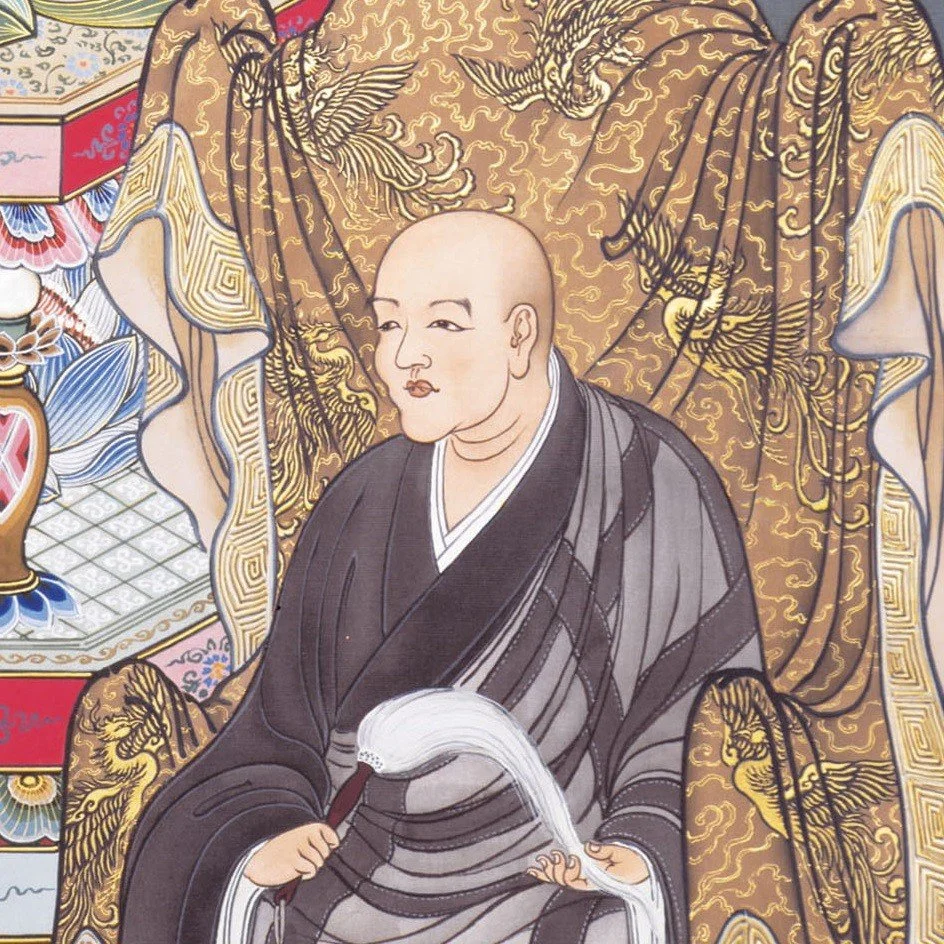
Zen evolved from the teachings of the historical Buddha who lived 2500 years ago in India. These teachings spread to China some six hundred years later. Zen (called Ch’an in China) developed in Mahayana Buddhist monasteries in the 7th Century. Inspired in part by the Chinese practice of the Tao, Ch’an was characterized by a spontaneity and naturalness. Japan periodically sent Buddhist monks to study different schools of Chinese Buddhism. In the 12th Century two monks, Myoan Eisai and Eihei Dōgen, separately brought Zen Buddhism west to Japan. Dōgen returned to Japan to transmit the lineage of Sōtō Zen Buddhism. Sōtō Zen centers and sitting groups are active in most major cities in the United States.
What is Sōtō Zen? Sōtō Zen was developed in the ninth century by the Chinese Monks Tozan (Ch. Dongshan) and Sozan (Ch. Caoshan), the first syllables of their names making up the subsequent name of the school. It stressed doing meditation without a goal, as everyone is already inherently enlightened. Seated, silent meditation is an expression of this.
Sōtō Zen Buddhism is distinguished by its focus on the down-to-earth practice of “everyday Zen.” It encourages awareness of the workings of one’s own mind as a means of living mindfully in all areas of daily life – at home, at work and in the community.
In his “Instructions for the Cook,” Dōgen taught that cooking and caring for other people were as important as sitting zazen (seated meditation) and chanting sutras.
Sōtō Zen is for those who want to practice Zen in everything they do. In coming face to face with their life in all its aspects, they come to know themselves and find their relationship to all other things. They learn to be truly here and to serve in all ways.
- Much of this language is taken from the website of the Soto Zen Buddhist Association
Want a deeper dive?
What is Zen and what sets it apart from other Buddhisms?
How Does Zen Buddhism Fit Within the Context of Buddhism as a Whole? - Podcast and transcript by Domyo Burk/Bright Way Zen
Key Teachings
Impermanence
Two-Truths
Emptiness or No-Separate-Self
“When we look deeply at a flower, we can see the whole cosmos is contained in it. if you take away the cosmos, the flower can't exist" -Thích Nhất Hạnh
Emptiness, in Zen Buddhism, doesn’t mean “nothingness” or “the void”. Rather, it means that nothing, not even your own sense of self, exists separately. Another way to say it is that nothing exists in a vacuum, everything is inherently interconnected.
This Very Mind is Buddha or Buddha Nature
Sokushin Zebutsu, which translates “This Very Mind is Buddha” or “The Mind Itself is Buddha”, is a core concept in Zen Buddhism, emphasizing that enlightenment and Buddhahood are not something to be attained externally but are already present within one's own mind.
Sokushin Zebutsu is particularly prominent in the Sōtō Zen tradition, asserting that Buddha-nature is inherent in every being and can be realized through direct experience and self-inquiry.
Zen Ethics, Vows and Aspirations
Zen in Practice
Zen Figures
Questions and concerns about cultural misappropriation, ethical misconduct, spiritual bypassing, liberation & justice, and more